Tori in the House
Blueprint:
◍ Equity
◍ Compassion
◍ Empowerment
◍ Community
◍ Stability
◍ Sustainability


what we do
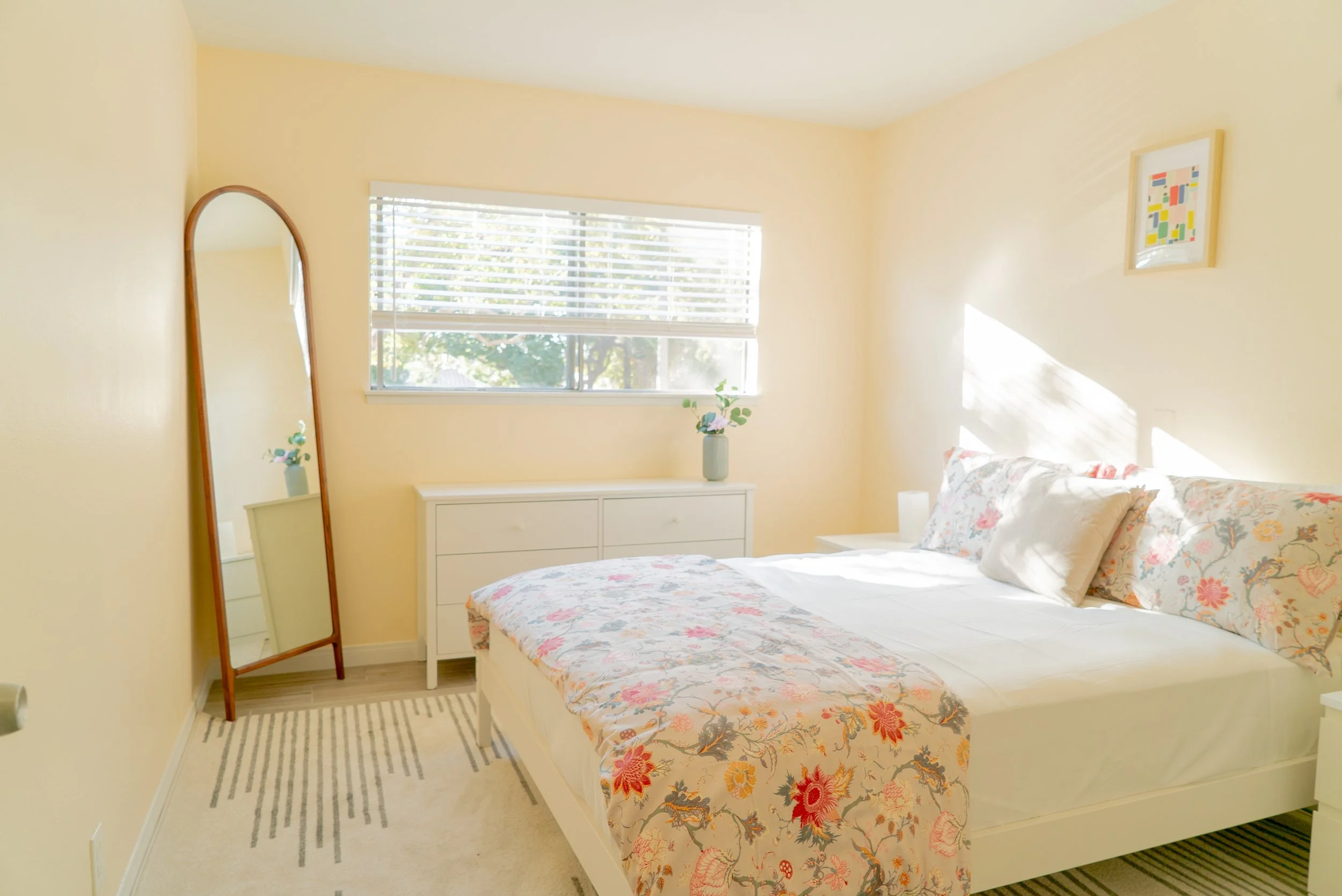
We use Trauma Informed Design to Style for Stability Design for Dignity & Furnish Futures to help end the cycle of homelessness .
this is how we do it
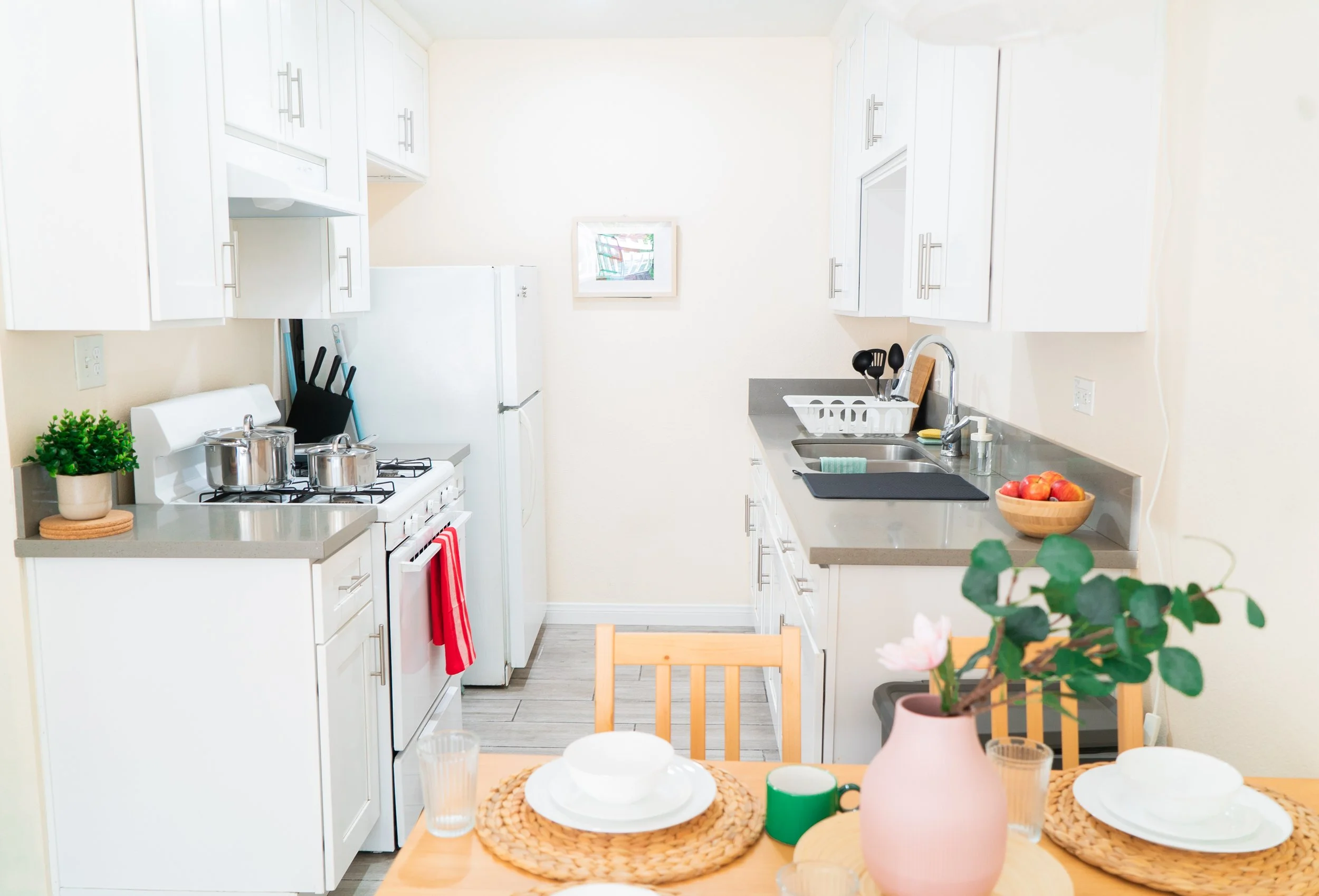
We do this by engaging with local housing & social agencies Permanent Supportive Housing , to connect us with beneficiaries of the program, specifically, voucher holders of rapid rehousing & affordable housing placements. We then collaborate with our formerly unhoused neighbors/clients to co-create Trauma Informed Design & personalized styles that support their needs, abilities, & identities through our innovative Stile Profile ™️ System intake questionnaire & design quiz. We also use new & sustainably sourced furnishings to design dignified spaces transforming houses into homes that helps our clients in their fresh new chapter to get on a path to thriving long term & Helping to End the Cycle of Homelessness.


let’s lay the foundation

Systemic inequities leave many communities disproportionately impacted by homelessness:.
Black individuals make up 33% of LA’s unhoused population but only 8% of its residents.
The Latinx community accounts for 43% of the unhoused population, the largest ethnic group affected.
Emancipated foster youth: Within two years of aging out of the foster system, 1 in 4 youth experience homelessness due to a lack of resources and systemic barriers.
LGBTQIA+ individuals, especially trans people, face higher risks due to systemic discrimination.
Nearly 40% of people experiencing homelessness have a physical or mental disability. At Tori in the House, we thoughtfully design homes that address these unique needs, incorporating accessibility, safety, and emotional well-being into every space.
OUr Impact
Permanent supportive housing boasts a 90% retention rate, and Tori in the House aims to exceed that number by creating trauma-informed interior designs that foster stability and dignity.

Style for Stability
Style for Stability
client love:
“Our entire team was blow by Tori’s attention to detail and ability to take trauma informed care into account throughout the design and moving process.”
— thea, la recovery connect
“TORI was amazing! Her generosity and compassion were unique! Her support isn’t something you will find anywhere! Forever thankful for this service.”
— Britany, Client


Collaborate
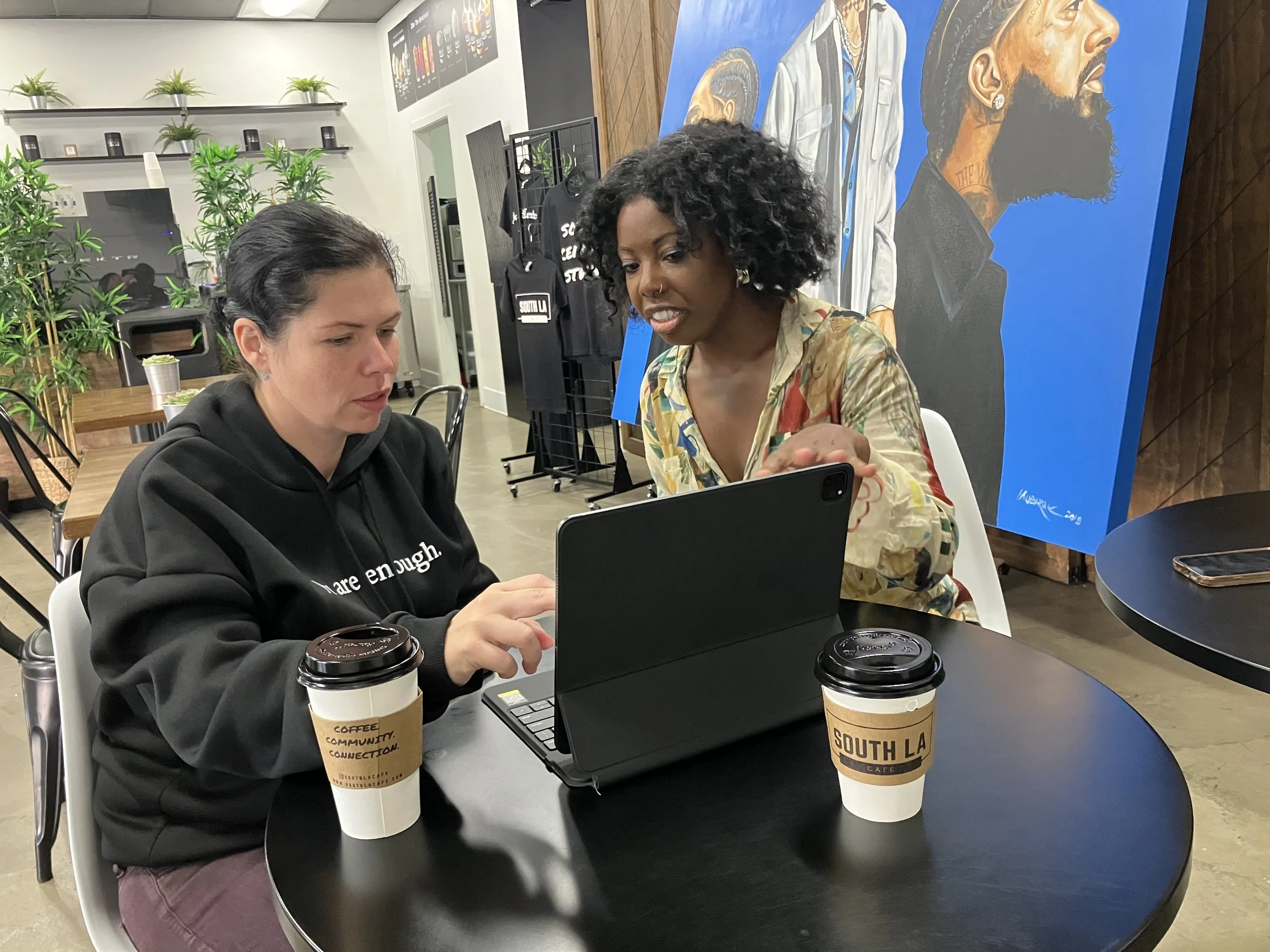
Your support helps us end the cycle of homelessness, style for stability, and address systemic inequities by creating thoughtful, trauma-informed interior designs that offer grounding, safety, and dignity.



Stay Connected
Together, we’re building a more equitable, sustainable world for communities affected by these inequities.